
500mm round bathroom mirror with light
How to Replace a Water Valve A Step-by-Step Guide Water valves play a crucial role in plumbing systems, controlling the flow of water to various fixtures in your home. Over time, these valves can wear out, resulting in leaks or reduced water pressure. If you notice problems with your water valve, it may be time for a replacement. This guide will walk you through the step-by-step process of replacing a water valve, ensuring that you can tackle this task safely and efficiently. Tools and Materials Needed Before you begin, make sure you have the following tools and materials on hand - Replacement water valve (ensure you choose the correct size and type) - Pipe wrench or adjustable pliers - Screwdriver (flathead and Phillips, depending on your valve) - Teflon tape or plumber’s tape - Bucket or container (to catch any water) - Towels or rags (for drying up spills) Step 1 Turn Off the Water Supply The first and most important step is to turn off the main water supply to your home to prevent any leaks or flooding during the process.Locate the main shut-off valve, usually found near the water meter, and turn it clockwise until it stops. Open a faucet on a lower level to drain any residual water in the pipes. Step 2 Locate the Water Valve Identify the water valve you need to replace. Water valves may be located near fixtures like sinks, toilets, or washing machines. They are typically connected to pipes leading into the appliance. Step 3 Remove the Old Water Valve 1. Disconnect the Supply Line Use a pipe wrench or adjustable pliers to loosen and disconnect the water supply line from the valve . Have your bucket or container ready to catch any remaining water that may spill out. 2. Remove the Valve Once the supply line is disconnected, you can remove the old valve. Depending on the type of valve (such as ball or gate valves), you may need to unscrew it from the pipe with a wrench. Turn the valve counterclockwise to fully detach it. Step 4 Prepare to Install the New Valve how to replace water valve Before installing the new valve, clean the threads on the pipe where the old valve was attached. This will ensure a snug fit and help prevent leaks. If the threads are damaged, you may need to replace the section of pipe. Step 5 Install the New Water Valve 1. Apply Teflon Tape Wrap Teflon tape around the threads of the pipe. This tape helps create a watertight seal and makes it easier to screw the new valve onto the pipe. 2. Attach the New Valve Screw the new water valve onto the pipe, turning it clockwise. Use your pipe wrench to tighten it securely, but be careful not to overtighten, as this might damage the valve or the pipe. Step 6 Reconnect the Water Supply Line Reattach the water supply line to the new valve. Again, use your pipe wrench or pliers to tighten this connection securely. Ensure that the fittings are snug, as leaks can occur if they are too loose. Step 7 Check for Leaks Once everything is connected, it’s time to turn the water supply back on. Go to the main shut-off valve and turn it counterclockwise to restore the water flow. Afterward, check the new valve and the connections for any signs of leaking. If you notice any leaks, turn off the water again and tighten the connections as needed. Step 8 Final Checks and Cleaning Up After ensuring there are no leaks, turn on the faucet connected to your new valve to purge any air from the system and verify that water is flowing properly. Once you are satisfied with your work, clean up your workspace, putting away tools and disposing of any old parts. Conclusion Replacing a water valve may seem daunting at first, but with the right tools, materials, and careful attention to detail, it can be a manageable DIY project. Always prioritize safety by ensuring the water supply is off and take your time throughout the process. With this guide, you should be well-equipped to tackle that valve replacement with confidence. Happy plumbing!
about
500mm round bathroom mirror with light
The Importance of Valve Manufacturers in Modern Industrial Applications Valves play a crucial role in various industrial processes, acting as essential components for controlling the flow and pressure of liquids and gases. As industries continue to evolve, the demand for high-quality, reliable valve solutions has propelled valve manufacturers into a central position in the global market. This article explores the significance of valve manufacturers, their innovations, and the impact they have on various sectors. Valve manufacturers produce a wide range of products, including gate valves, ball valves, butterfly valves, and check valves, each designed for specific applications. These valves are integral to systems in oil and gas, water treatment, pharmaceuticals, and food processing, among others. Their primary function is to regulate flow, ensuring efficiency, safety, and compliance with industry standards. Manufacturers are tasked not only with producing durable and reliable products but also with developing advanced technologies to meet the changing needs of industries. One of the significant trends in valve manufacturing is the integration of automation. As the push for greater efficiency and precision increases, manufacturers are investing in automated valve systems that can be controlled remotely. These smart valves can adapt to changes in pressure and flow, providing real-time data for operators. This innovation not only enhances efficiency but also minimizes risks associated with human error, making industrial processes safer. valve manufacturer Moreover, sustainability has become a key focus for valve manufacturers. As industries aim to reduce their environmental impact, manufacturers are designing valves that are more energy-efficient and made from sustainable materials . The use of advanced materials, such as high-performance plastics and alloys, contributes to the longevity and reliability of valves while also reducing their overall carbon footprint. This shift not only benefits the environment but also meets the growing consumer demand for responsible sourcing and manufacturing practices. Quality control is paramount in valve manufacturing. Ensuring that each valve meets rigorous industry standards is essential for safety and performance. Manufacturers utilize advanced testing techniques and quality assurance protocols to identify any potential issues before the product reaches the market. This commitment to quality not only protects the end-users but also helps manufacturers build a solid reputation in an increasingly competitive landscape. Furthermore, the global nature of today's markets means that valve manufacturers must navigate a complex array of regulations and certifications. Compliance with international standards such as ISO, API, and ANSI is critical, as these certifications are often required for global trade in valves. Manufacturers must stay informed and agile to adapt to these regulations, which can vary significantly by region. In conclusion, valve manufacturers are fundamental players in the industrial sector, driving innovation, ensuring safety, and promoting sustainability. As industries face new challenges, the role of these manufacturers will only continue to grow. By embracing technological advancements and adhering to stringent quality standards, valve manufacturers will not only meet the needs of today but also pave the way for a more efficient and sustainable industrial future. Their contributions are pivotal in shaping the landscape of modern manufacturing and industrial processes, underscoring their importance in the global economy.
-

High quality industrial productsagement

High quality industrial products
View Details -

Meet the diverse needs of customers

Meet the diverse needs of customers
View Details -

Strict quality control

Strict quality control
View Details -

Top raw materials

Top raw materials
View Details -

Trusted supplier

Trusted supplier
View Details
Our application

news and information
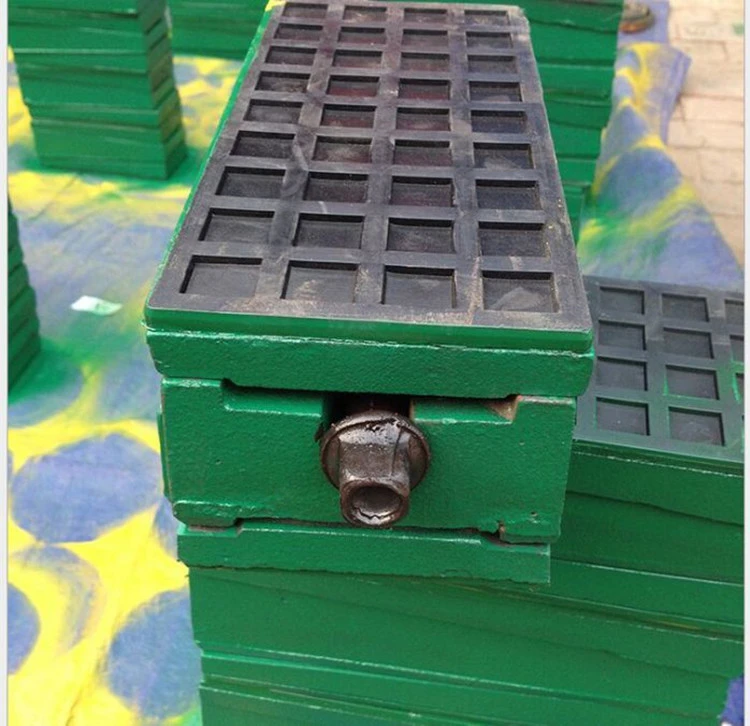
Versatile 3x4 Welding Table for Precision Projects and Durable Fabrication
3x4 welding table .
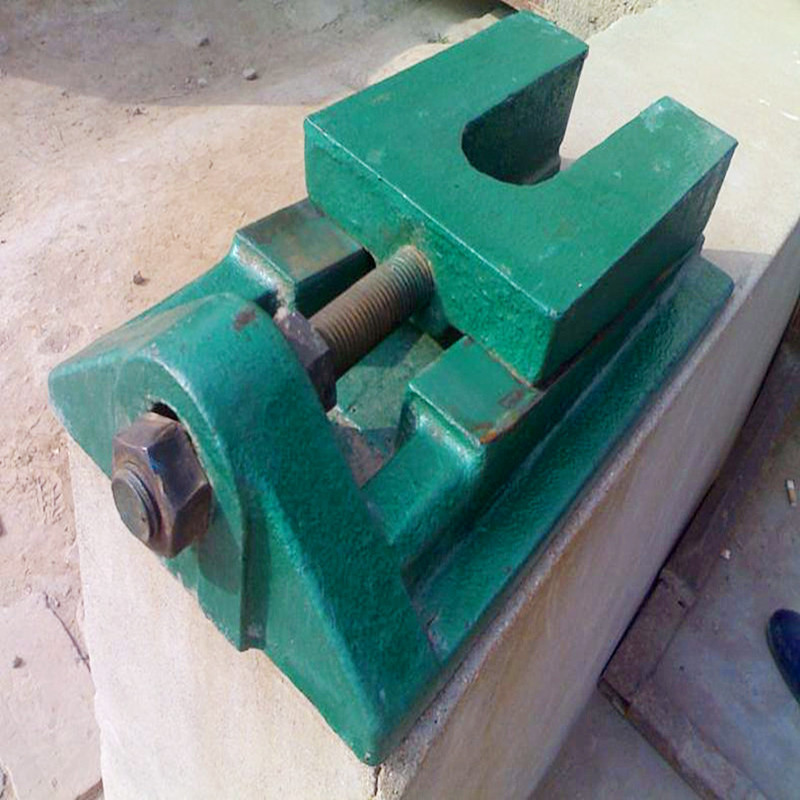
Using Thread Ring Gauges for Accurate Thread Inspection and Measurement Techniques
The Importance of Thread Ring Gauges in Quality Control In the world of manufacturing and engineerin
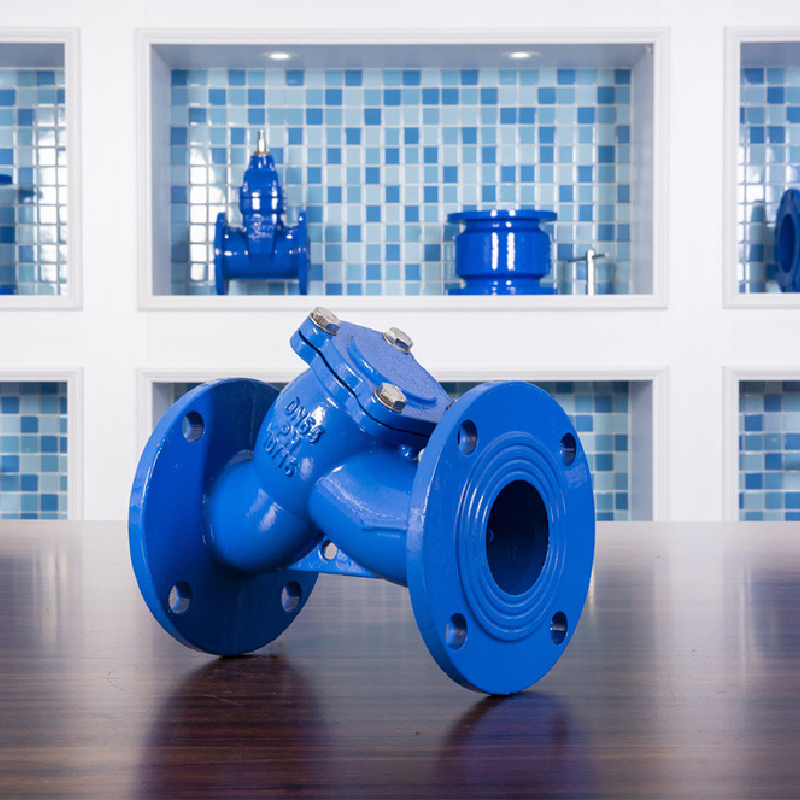
Water Control Valves_ Essential Components for Fluid Regulation
When it comes to fluid management systems, water control valves are indispensable for ensuring effic
 English